

Chiropractic Treatment FAQs
Whether you’re new to chiropractic treatment or seeking additional information, we’re here to provide clarity and insight into how chiropractic care can benefit you.
From understanding what chiropractic adjustments entail to learning about the conditions we treat, we aim to equip you with the knowledge you need to make informed decisions about your health and well-being.
Explore our FAQs below to discover more about the world of chiropractic care. If you have any specific questions not addressed here, don’t hesitate to reach out to our team – we’re always happy to help!
Is chiropractic Safe?
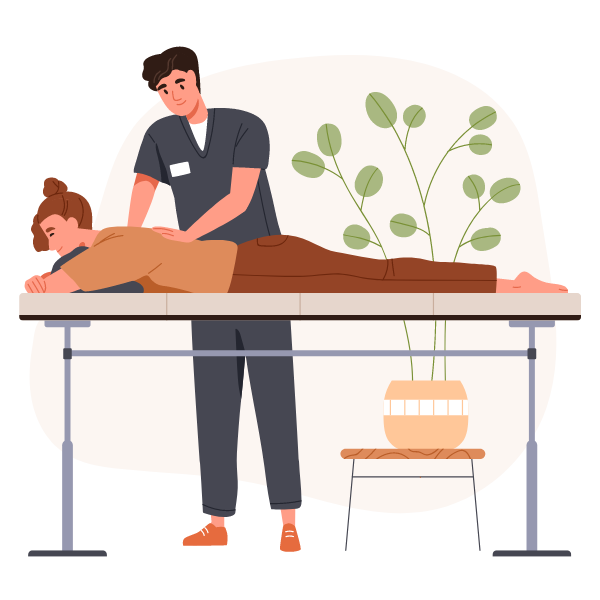
Chiropractic care is a natural and non-invasive alternative to traditional medical interventions like drugs and surgery. Many individuals seek chiropractic treatment for various musculoskeletal issues, such as back pain, sciatica, neck pain, migraines and headaches. One of the key advantages of chiropractic care is its safety profile compared to the potential risks associated with pharmaceuticals and surgical procedures.
Unlike drugs that may come with side effects and the risk of dependency, chiropractic adjustments focus on the body’s natural ability to heal itself. Chiropractors use manual manipulation techniques to address misalignments in the spine, promoting proper nerve function and overall well-being. This drug-free approach reduces the likelihood of adverse reactions commonly associated with medications.
Furthermore, chiropractic care can be a safer option compared to surgery, which carries inherent risks and requires a recovery period. Chiropractors aim to treat the root cause of the issue rather than merely alleviating symptoms through invasive procedures.
Soreness after treatment is not uncommon: especially after the first few treatments. This is normally only lasts for a short time and is a sign that changes are happening. Discuss any unexpected changes with your chiropractor immediately as it may be necessary to change the care plan or get reassurance.
There has been recent publicity about the risks of stroke after neck “manipulation”. Research indicates that the risk is no more than would occur in the general population, not having neck “manipulation”. The same risk as having your hair washed in hairdressers, star gazing or reversing your car.
Do chiropractic adjustments hurt?
Chiropractic care has gained popularity as a non-invasive alternative for managing various musculoskeletal conditions, but concerns about its safety persist.
One common question individuals ask is whether chiropractic adjustments hurt and how the risks compare to conventional treatments like drugs and surgery.
Chiropractic adjustments involve restoring normal movement patterns to the spine and other joints with a fast and shallow movement to alleviate pain and improve overall function.
For many individuals, the idea of joints being adjusted may raise concerns about pain. It’s crucial to note that the experience of chiropractic adjustments varies from person to person.
While some patients report mild discomfort or soreness, the majority find the treatment painless.
Chiropractors are trained to use gentle techniques and tailor their approach to each patient’s physical condition, preferences comfort level.
Am I to old or young for chiropractic?
Because of the very wide range of techniques available to our chiropractors we are able to care for all ages if appropriate. Obviously, we will tend to use the gentlest of techniques on babies, small children, the frail and elderly people.
Is it cost effective?
A Canadian government (Ontario Ministry of Health) study to examine the “effectiveness and cost-effectiveness of chiropractic management of low-back pain” concluded that “there would be a highly significant cost saving if more management of low-back pain was transferred from physicians to chiropractors” and that sufferers tended to return to work sooner after chiropractic care.
Studies in Australia and America have remarkably similar findings.
Can adjustments make my spinal joints move to much? (hypermobility)
Chiropractors only adjust joints that are hypomobile or locked up. Years of training focus on using the minimum amount of force needed to achieve this. Hypermobile joints are more likely to develop above and below uncorrected hypomobile joints resulting in spinal imbalance.
How often will I need to visit the chiropractor? How long will it take?
This varies with each patient, depending upon their problems, spinal status and their health or wellness goals.
Generally, the older the patient, the longer the problem has been developing, and the more severe it is, the longer it will take.
Many patients notice changes within the first few weeks when visits are most frequent. As the spine starts to correct and stabilise visits become less frequent. In very chronic cases resolution may take months or years.
Where the underlying cause can not be eliminated it may never resolve completely so the goal will be symptom relief and slowing progression whilst keeping independent as long as possible.
Is my chiropractor qualified?
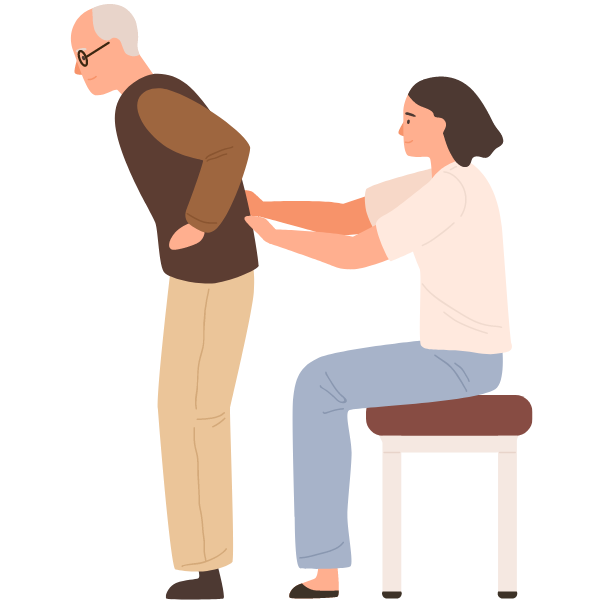
While chiropractic care is generally considered safe, it is essential to ensure that you are seeing someone who has the training to distinguish when chiropractic, in general or any specific technique, is safe to use in your particular case.
A significant part of a qualified chiropractor’s training is devoted to assessing risk to their patients. Knowing when and where any particular chiropractic treatment is not appropriate, and the patient needs to be referred to another health care professional is essential to reduce risk to the minimum.
The General Chiropractic Council (GCC) is the statutory body that upholds standards and enforces standards. By law only people on the GCC register (gcc-uk.org) may claim to be chiropractors.
What is a chiropractic adjustment?
An adjustment is a procedure used by a chiropractor with the aim of improving the function of your spine and relieving interference to the related nerves. This commonly involves the chiropractor using their hands or a mechanical instrument to apply a high speed, but low force, movement in a specific direction to the spine or pelvis.
There are many different techniques available, so the chiropractor will always adapt their technique to suit each individual of any age. What is right for a healthy 25 year old athlete is unlikely to be right for an 80 year old or baby.
Does chiropractic work?
Chiropractors may only claim to treat conditions where there are sufficient research studies of an acceptable standard supporting the benefits to the Advertising regulators.
Consecutive studies of the British Medical Research Council have found that back pain sufferers are more satisfied with chiropractic care even years after treatment.
What makes the cracking noise?
Lubricating fluids are found between the surface of the spinal joints.
Some adjusting techniques move these surfaces apart very quickly. A bubble of gas forms in the liquid due to a change in pressure making a “pop” sound.
The same phenomenon occurs when opening a champagne bottle. It is just a release of gas from the fluid but it may sound very loud, particularly in the upper neck as the sound is transmitted directly through bone into your inner ear.
Are all patients adjusted the same?
No, with 24 freely movable spinal bones each of which can misalign in several ways each patient has a fairly unique pattern of misalignments requiring correction.
Request A Callback
If you’re interested in chiropractic but aren’t sure if it’s right for you, we can offer a free chat where one of our experienced chiropractors in Solihull or Sutton Coldfield will listen to you to and let you know if they think chiropractic care could benefit you.